Product Details
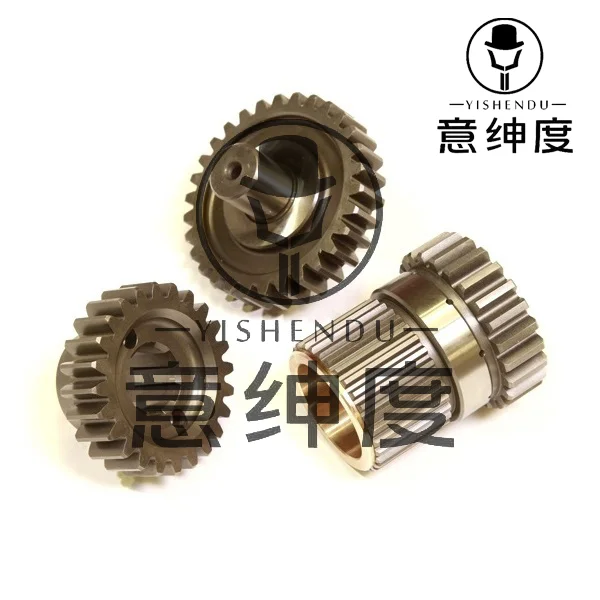
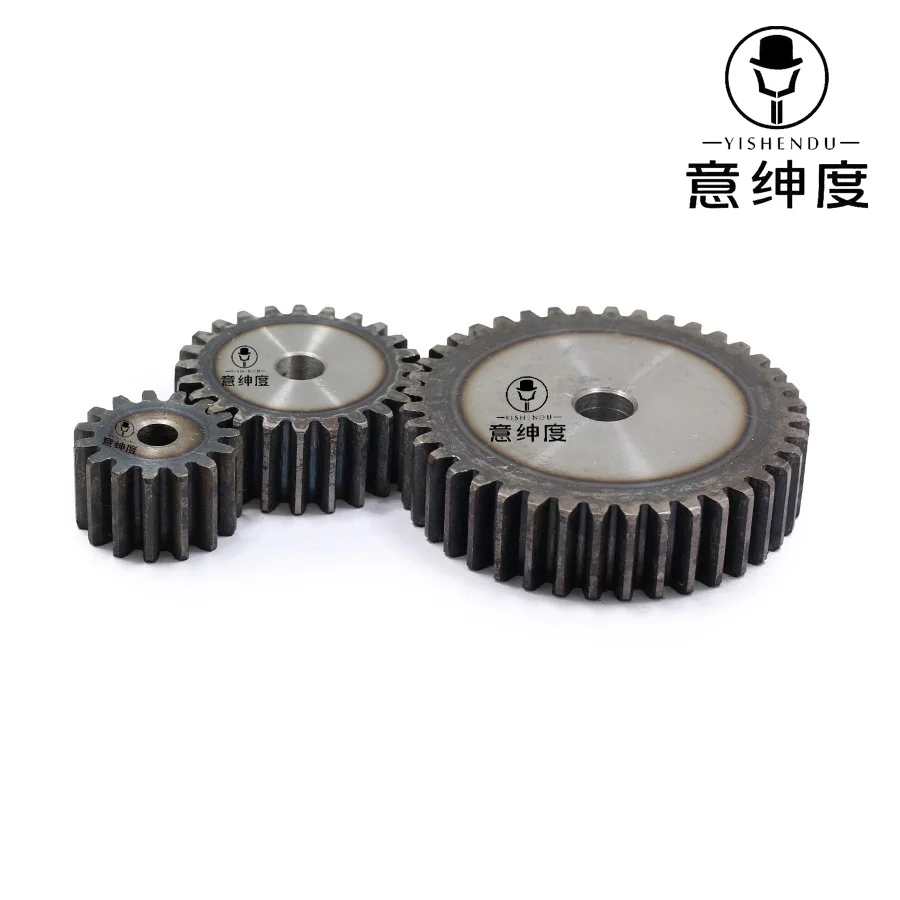
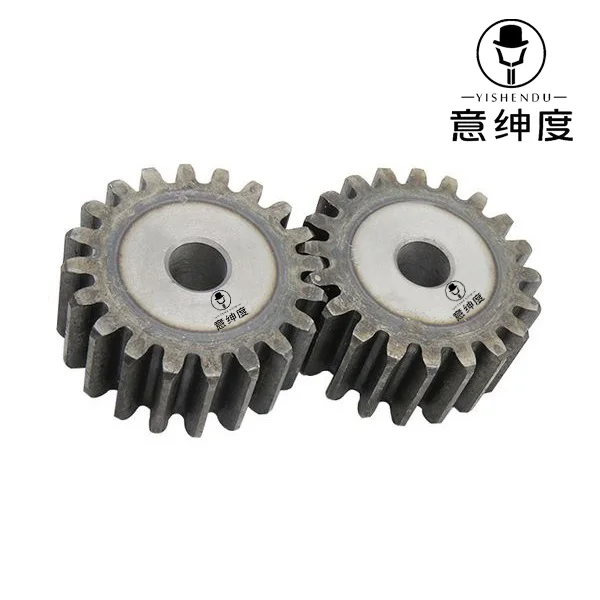
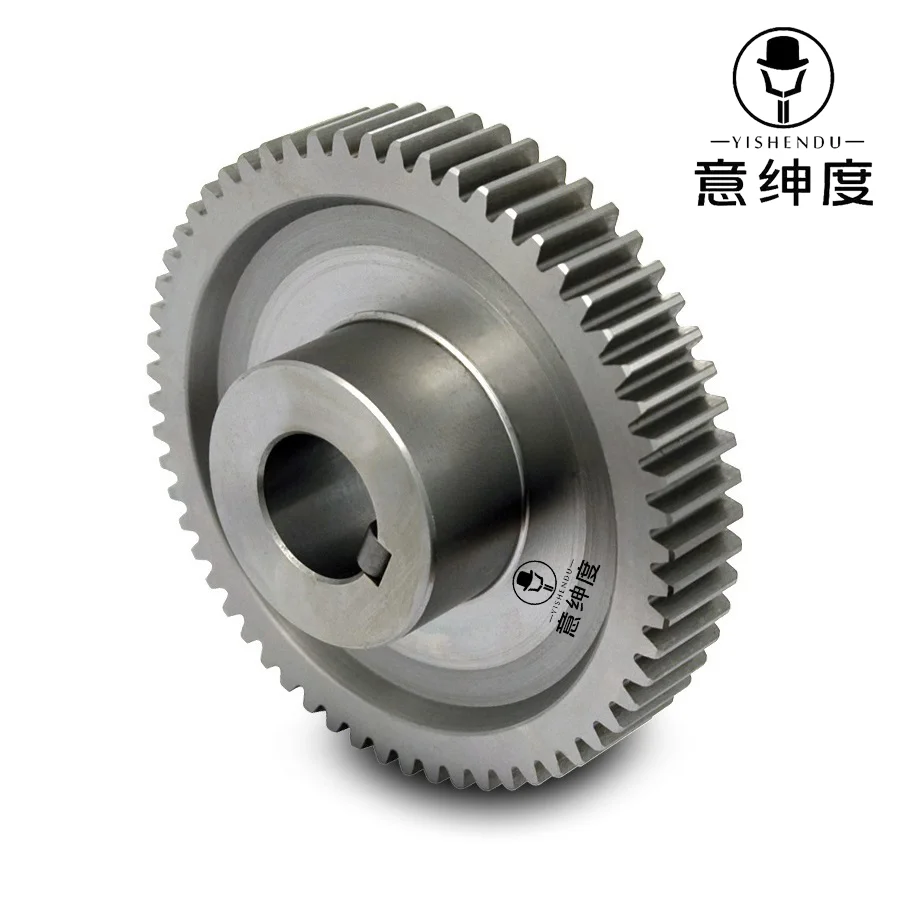
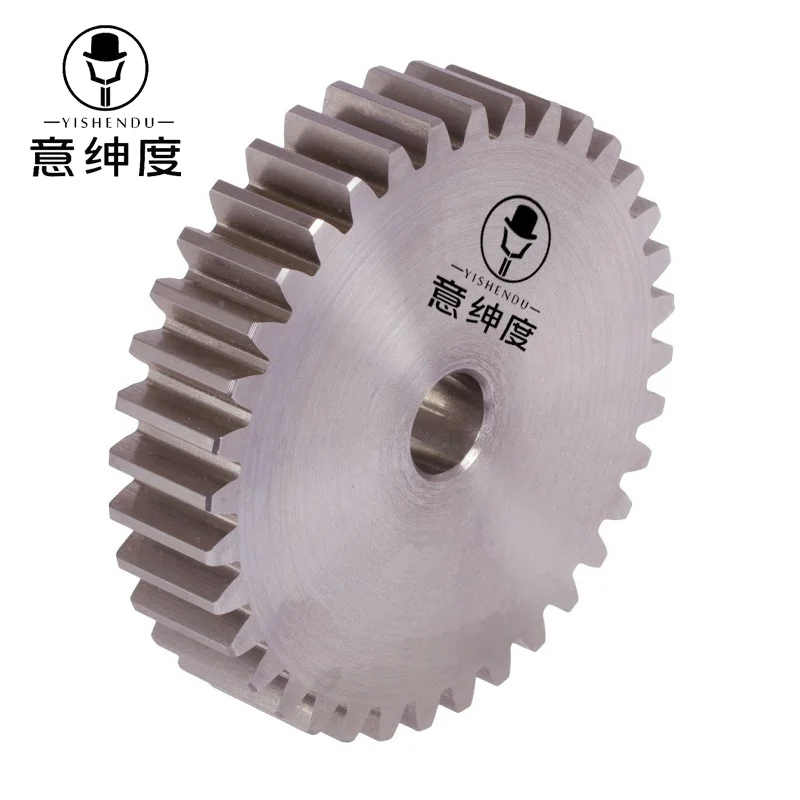
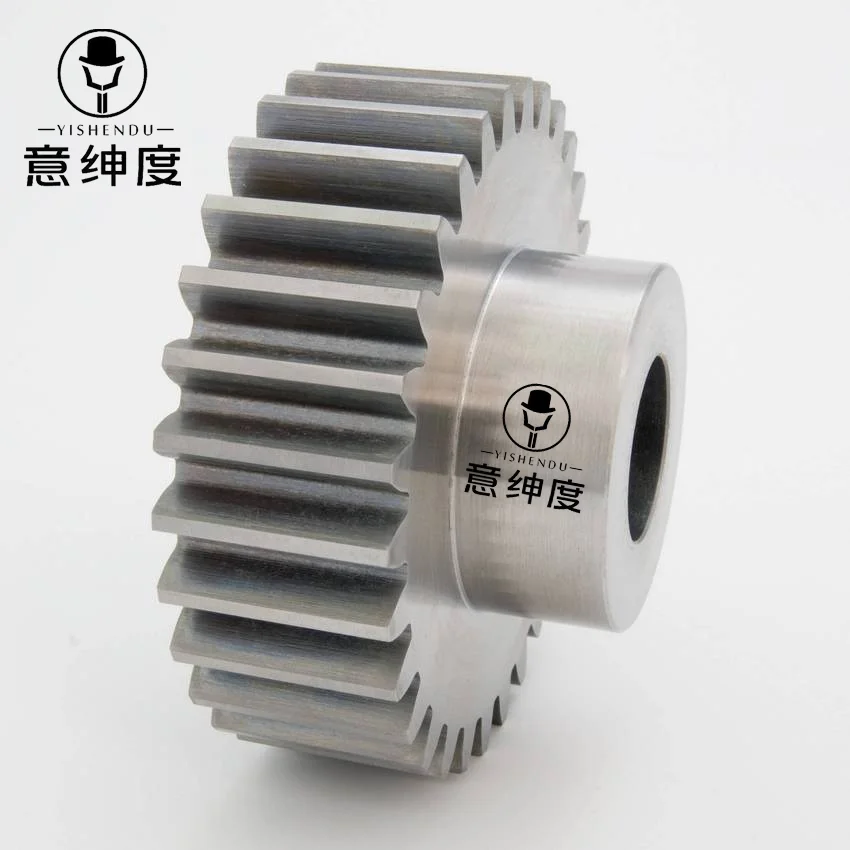
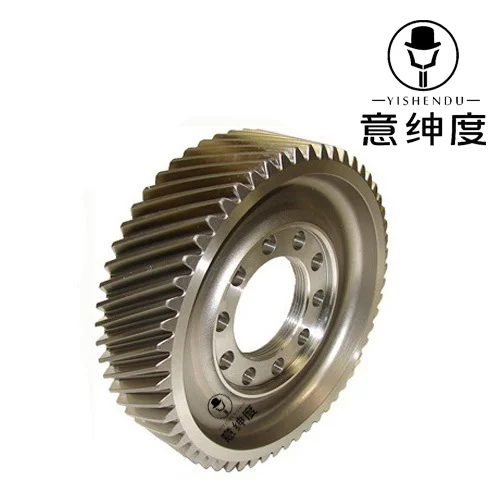
Spur Gears or Straight-Cut Gears are the simplest type of gear. They consist of a cylinder or disk with teeth projecting radially.
Spur gears transmit power through shafts that are parallel. The teeth of the spur gears are parallel to the shaft axis. This causes the gears to produce radial reaction loads on the shaft, but not axial loads. Spur gears tend to be noisier than helical gears because they operate with a single line of contact between teeth. While the teeth are rolling through mesh, they roll off of contact with one tooth and accelerate to contact with the next tooth. This is different than helical gears, which have more than one tooth in contact and transmit torque more smoothly.
Spur gears can be classified into two main categories: External and Internal. Gears with teeth on the outside of the cylinder are known as "external gears". Gears with teeth on the internal side of the cylinder are known as "internal gears".
The basic dimensions of spur gears are the diameter and pitch of the teeth, as well as the pressure angle. These dimensions can be determined through the use of mathematical calculations. The dedendum, which is the depth of the tooth space below the pitch circle, is generally larger than the addendum circle of the mating gear. The root diameter is the diameter at the base of the tooth space. Other important dimensions of spur gears include the pitch point and pressure angle, which measure the angle between the pitch circle and the plane tangent to it.